Source Automatic Acid Resistant Submersible Pump for Chemical, Wastewater, and Mining
Find and compare 30 automatic acid resistant submersible pump options from verified Chinese manufacturers. Evaluate specifications including electric power, stainless steel construction, and centrifugal designs to select the right unit for industrial fluid handling.
Key considerations
Products List


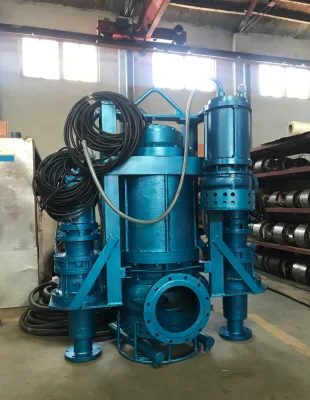
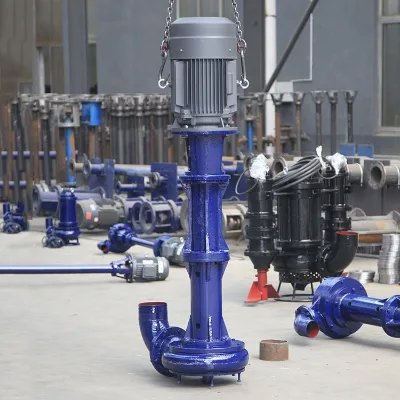


Comprehensive Sourcing Guide
Automatic Acid Resistant Submersible Pump Sourcing Guide
Sourcing automatic acid-resistant submersible pumps requires a rigorous evaluation of material compatibility, electrical safety, and operational reliability. These pumps are engineered for continuous immersion in corrosive environments, making them critical for wastewater treatment, chemical processing, and industrial drainage applications. Buyers must prioritize pumps that combine robust sealing technologies with high-grade corrosion-resistant materials to prevent premature failure. The "automatic" designation typically implies integrated control systems, such as float switches or level sensors, which enable hands-free operation based on liquid levels. This automation reduces manual intervention but introduces additional points of failure that must be verified during the procurement phase.
The market offers a diverse range of submersible pump configurations, from single-stage centrifugal designs to more complex multistage assemblies. While many listings highlight electric power sources, some suppliers may offer pneumatic or hydraulic variants, requiring careful distinction based on the available site infrastructure. For acid-resistant applications, the impeller design, casing material, and shaft sealing mechanism are the primary determinants of longevity. Buyers should focus on suppliers who provide transparent technical data regarding the specific grade of stainless steel or other alloys used, as generic "stainless steel" claims may not suffice for highly acidic conditions.
Product Scope and Observed Listing Signals
The current market landscape for submersible pumps includes a wide variety of models, with observed price ranges spanning from $20 to $150,000 USD. This broad spectrum reflects differences in power output, flow rate, head pressure, and material quality. Minimum Order Quantities (MOQ) typically range from 1 to 100 units, indicating that suppliers cater to both individual project needs and bulk industrial procurement. Buyers should note that lower-priced units often correspond to smaller power ratings, such as 0.25kW to 1.1kW, which are suitable for light-duty applications. Conversely, higher-priced models may feature advanced automation, larger flow capacities, or specialized corrosion-resistant coatings.
Product listings frequently cite specific model numbers such as QDX1.5-32-0.75, QDX1.5-17-0.37, and QDX10-16-0.75, which often denote flow rate, head height, and motor power respectively. Other models like QDN1100.1500, 2200, and the SPA series (SPA250 to SPA1100) suggest a tiered product line catering to different industrial demands. Some listings also reference jet pump types or gear pump structures, which may not be suitable for all submersible acid-resistant applications. Buyers must cross-reference these model codes with technical datasheets to ensure the pump’s theoretical design, such as single-stage centrifugal or multistage configurations, aligns with the specific hydraulic requirements of their system.
Technical Specifications to Verify
Material selection is the most critical technical factor for acid-resistant pumps. While many suppliers list "Stainless Steel" as the primary material, the specific grade (e.g., 304, 316L, or duplex stainless steel) must be verified against the pH level and chemical composition of the fluid being pumped. The impeller type, whether closed or open, and the suction design, such as single-suction configurations, directly impact efficiency and clogging resistance. For high-head applications, pumps with a maximum head exceeding 150 meters or up to ~300 meters may be required, necessitating multistage designs. Buyers should confirm that the pump casing is designed for horizontal or vertical mounting as per the installation site constraints.
Electrical and operational parameters must be strictly aligned with site conditions. Most submersible pumps are electric-driven, but some listings mention pneumatic or hydraulic power sources, which require different infrastructure. The motor power range observed, from 0.37kW to higher capacities, dictates the pump’s ability to handle viscous or dense acidic slurries. Sealing is paramount; buyers must verify the shaft seal type, such as mechanical seals with double-barrier systems, to prevent acid ingress into the motor chamber. Additionally, the operating temperature range, which some specifications cite as -80°C to +450°C, must be checked to ensure the pump’s insulation class and seal materials can withstand the thermal stress of the specific chemical process.
Compliance and Safety Documentation
Certification is a non-negotiable aspect of sourcing industrial pumps, particularly those used in hazardous or regulated environments. Trusted suppliers often provide certifications such as CE, SGS, TUV, and ISO9001, which indicate adherence to international quality and safety standards. For electrical components, certifications like UL or Atex may be required if the pump is used in explosive atmospheres or regions with strict electrical codes. Buyers should request valid certificates for each batch, as generic claims of compliance do not guarantee that the specific unit purchased meets current regulatory requirements. The presence of ISO9001: 2000 or newer iterations suggests a mature quality management system, but the scope of certification should be verified to include manufacturing and testing processes.
Safety documentation must also cover operational limits and emergency protocols. Pumps used in acid-resistant applications should come with detailed manuals specifying maximum working pressure, which some listings indicate can reach ~5.0MPa, and safe operating temperatures. Buyers should ensure that the pump’s electrical protection class, such as IP68 for submersible units, is clearly documented to prevent water and chemical ingress. Additionally, if the pump is part of a larger automated system, compatibility with control panels and sensors must be verified. Documentation should include wiring diagrams, maintenance schedules, and troubleshooting guides to facilitate long-term operational safety and reduce downtime.
Cost Drivers and Commercial Terms
The total cost of ownership for submersible pumps is influenced by initial purchase price, energy consumption, and maintenance frequency. While the observed price range is wide, buyers should look beyond the unit price to consider the cost of replacement parts and downtime. Higher-quality materials and advanced sealing technologies may increase the initial investment but reduce long-term maintenance costs. Packaging, often listed as CTN or standard carton cases, can affect shipping costs and product protection during transit. For fragile or high-value pumps, plywood box packaging may be necessary, adding to the overall logistics cost.
Commercial terms such as MOQ, lead times, and payment conditions vary significantly among suppliers. Buyers should negotiate clear terms for customization, as many suppliers offer available customization options for specific flow rates, head heights, or material grades. It is essential to clarify who bears the risk of damage during shipping and how warranty claims are processed. Buyers should also inquire about the availability of spare parts, such as impellers and seals, to ensure that maintenance can be performed quickly without waiting for new shipments. Transparent pricing that includes all taxes, duties, and shipping fees helps avoid unexpected costs during the procurement process.
Supplier Qualification and Quality Control
Supplier qualification involves verifying the manufacturer’s production capabilities and quality control processes. Many suppliers are located in industrial hubs like Taizhou, China, which is known for its pump manufacturing industry. Buyers should assess the supplier’s ability to produce consistent quality, particularly regarding the precision of impeller casting and the integrity of shaft seals. Requesting factory audit reports or third-party inspection results can provide insight into the supplier’s manufacturing standards. Suppliers who adhere to standards like API610 or VDMA24297 for centrifugal pumps demonstrate a commitment to industry best practices, although these standards may not apply to all submersible pump types.
Quality control should extend to pre-shipment testing. Buyers should require test reports that verify the pump’s performance under load, including flow rate, head pressure, and electrical insulation resistance. For acid-resistant pumps, material certification for the stainless steel components is crucial to ensure corrosion resistance. Buyers may also consider conducting their own incoming quality inspections or hiring third-party inspection services to verify that the delivered products match the agreed specifications. Establishing a clear communication channel with the supplier for technical support and issue resolution is also vital for maintaining a successful procurement relationship.
Long-Term Procurement Checks
Long-term procurement success depends on the supplier’s ability to provide consistent support and product evolution. Buyers should monitor the supplier’s track record for delivering products that meet specifications over time, as material defects or manufacturing inconsistencies can emerge after initial orders. Regular reviews of pump performance in the field can help identify potential issues early, such as seal degradation or motor overheating. Buyers should also stay informed about updates in industry standards and regulations that may affect the use of certain materials or electrical components in their pumps.
Building a relationship with a reliable supplier can facilitate better pricing, priority production, and access to new product developments. Buyers should consider consolidating their procurement with a few qualified suppliers to leverage volume discounts and simplify logistics. However, maintaining a diversified supplier base can mitigate risks associated with supply chain disruptions. Regular feedback on product performance and service quality should be shared with suppliers to drive continuous improvement. By focusing on long-term partnership and rigorous quality verification, buyers can ensure the reliable operation of their acid-resistant submersible pumps in demanding industrial environments.
FAQs
What certifications do the pumps hold?
The pumps hold CE, SGS, TUV, ISO9001, PEI, IFSF, Atex, UL, and OIML certifications. These standards ensure compliance with international safety and quality requirements for industrial applications.
Which materials are used for the pump casing?
Stainless steel is the primary material used for the pump casing. This material provides high resistance to corrosion and ensures durability in harsh chemical environments.
Can the pumps be customized for specific needs?
Yes, customization is available for these pumps. Buyers can request specific modifications to meet unique operational requirements or integration needs within their existing systems.
What is the maximum head pressure for these pumps?
The maximum head pressure exceeds 150 meters, with some models reaching approximately 300 meters. This capability supports high-lift applications in various industrial settings.
Where are these pumps manufactured?
These pumps are manufactured in Taizhou, China. The location indicates a centralized production hub known for mechanical pump manufacturing and export capabilities.
What power sources are available for these pumps?
Electric power is the primary source, though pneumatic and hydraulic options exist for specific models. Electric pumps are commonly used for standard industrial applications.
What is the typical packaging for these pumps?
Pumps are typically packed in standard carton cases or plywood boxes. This packaging ensures safe transport and protection against damage during international shipping.